Living with a long-term illness can take a toll on your day-to-day life. However, that does not mean that you cannot live comfortably. Instead, it means that you may need to take extra steps to manage pain and symptoms. This holds especially true for those living with POTS. POTS stands for Postural Orthostatic Tachycardia Syndrome. It is a condition where individuals experience unusual heart rate spikes when standing up and sitting down.
In this article, we will provide you with everything you need to know about POTS symptoms and various holistic pain management methods.
Everything to Know about POTS Symptoms
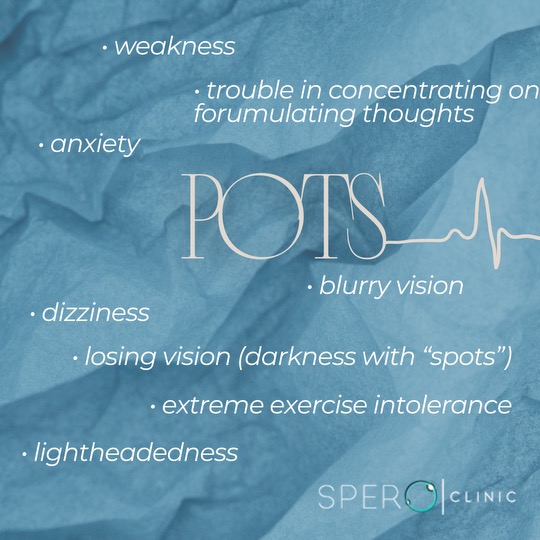
One of the primary symptoms of POTS is dizziness. Those who feel disoriented may also experience lightheadedness, which is the feeling that you’re about to faint. In addition, POTS can result in cognitive difficulties such as trouble focusing, memory problems, and confusion.
All of these symptoms can result in sustained fatigue and tiredness. This can lead to poor sleep and nutrition. As a result, POTS can negatively affect gastrointestinal health, which can be a significant factor in your daily well-being.
POTS can also stem from nervous system issues. The nervous system is the combination of your brain, spinal cord, and nerves. These different parts of the body play an important role in our overall functioning. If you are experiencing severe negative reactions from sitting down and standing up, it may be a signal from your nervous system.
What type of message is your nervous system sending? Oftentimes, it is a sign that you have vagus nerve issues.
The vagus nerve plays the most important role in the body as it regulates the heart, blood circulation, and inflammation.
Those harmful symptoms you experience are a direct result of irregular heartbeats, inefficient oxygen distribution, and stomach imbalance caused by vagus nerve issues.
Along with the symptoms mentioned, severe headaches, excessive sweating, and blurry vision are common signs of POTS and general nervous system complications.
Different Types of POTS Relief and Management Tips
There are different ways to effectively manage POTS symptoms.
First, you can regulate blood pressure by managing salt and fluid intake. This will help balance out your stomach. In addition, dietary changes can be helpful. Specifically, avoiding foods such as red meat, non-complex carbohydrates, and trans fats can help prevent inflammation.
Furthermore, you may take blood pressure medications prescribed by your doctor. By controlling your heart rate, you may prevent irregular spikes from sitting and standing.
It is important to note that these are management tips; they will not completely heal your condition.
To fully treat POTS, vagus nerve stimulation may be required. This is a type of long-term therapy that stabilizes your heart rate and blood circulation.
There is also neuromodulation therapy, which can fix improper nerve signals that cause lightheadedness and dizziness.
Finally, autonomic nervous system training transforms your body’s ability to manage functioning. Since POTS stems from nervous system issues, this is the most comprehensive treatment method, as you are targeting the issue at its foundation.
POTS should not take control of your life. With expert advice and treatment, you can live healthily and pain-free.
How the Spero Clinic Can Help You
The Spero Clinic can help you through its various services and treatment options. This includes: vagus nerve stimulation, scar tissue therapy, oxygen therapy, and many more services. We also treat long COVID, fibromyalgia, and gastroparesis.
It is our mission to help our patients live comfortably and pain-free with holistic, non-invasive treatment methods.
You can book a free consultation with one of our experts.
For more information, please give us a call at 479-304-8202 or submit a form. We look forward to speaking with you!