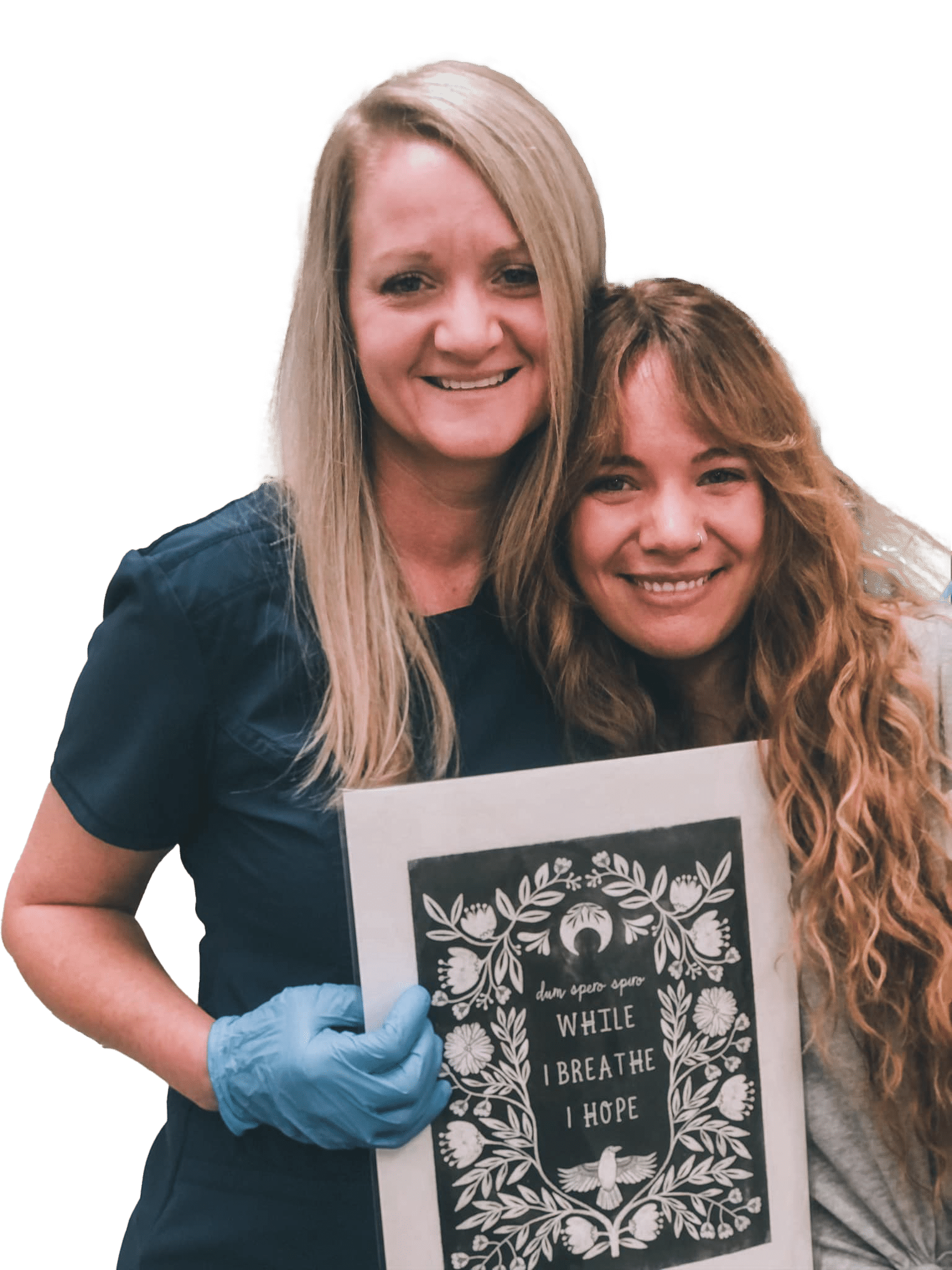

When battling an illness, your mental health can be just as important as your physical health. There is no shame in focusing on your emotional well-being, especially when your body is struggling to recover. In fact, it can give you additional strength and motivation to heal, especially with ailments such as long COVID. Unlike a standard bout of COVID-19, which typically lasts two weeks, Long COVID can last for months.
This article will explain the different types of long COVID treatment methods. In addition, we will discuss how you can prioritize your mental health throughout the healing process.
Long COVID Treatment and Its Impact on Mental Well-being
It is important to reiterate that mental health issues can happen to anyone. You are not weak for feeling down or depressed. The strength needed to acknowledge those issues and the commitment to better yourself are admirable.
According to JAMA Psychiatry, 90% of individuals hospitalized with COVID-19 experienced brain-related symptoms. Among those conditions were depression and anxiety. Individuals reportedly noticed feelings of fatigue, lack of interest in hobbies, and consistent worry. These are all common symptoms of depression, which can increase with ailments like Long COVID.
There are many correlations between Long COVID and poor mental health. COVID-19 can cause inflammation in the brain, which may lead to cognitive impairments and decreased metabolism.
Those fighting Long COVID may not participate in hobbies or spend time outside. This can result in lower serotonin distribution within the brain. Serotonin is the neurotransmitter that helps regulate mood, sleep, and energy levels.
Treatment can impact one’s mental health as well. Recovery takes time, and that can be disheartening. In addition, setbacks are common as you are adjusting to how your body reacts to different treatment methods. This may affect one’s mood and emotional well-being.

How to Prioritize Your Mental Health While Battling Long COVID
Treatment and recovery can be an enduring process, which can weigh heavily on one’s mental well-being. Thankfully, there are ways to prioritize mental health during your battle with Long COVID.
To start, speaking to a therapist can be quite helpful. In particular, cognitive behavioral therapy reshapes your thinking process. This type of therapy follows three core principles: identifying unhealthy thinking patterns, understanding where those patterns are present, and finding positive ways to solve those negative thoughts.
This is helpful because it encourages hope and prevents despair. It can improve your mood and your motivation to heal.
It is also important to continue doing things you enjoy. Oftentimes, we are so focused on treatment that we forget about our hobbies and interests. Your physical condition plays a factor in your ability to do so. However, it can be as simple as watching sports, listening to music, or playing a video game. These are little things that can have a large impact on your mental well-being.
Depending on the severity of your condition, antidepressants and SSRIs (selective serotonin reuptake inhibitors) may be required. These medications will adjust your neurotransmitters, helping regulate mood, energy, and behavior. This must be prescribed and observed by your doctor.
Learn More with The Spero Clinic
At The Spero Clinic, it is our mission to help individuals heal holistically through non-invasive, comprehensive treatment methods. This includes various treatment modalities such as magnetic resonance therapy, lymphatic therapy, and neuromuscular re-education.
Over the years, our inspirational success stories have been covered by ABC, CBS, and NBC news channels.
You can learn more from our Stories of Hope. These are real stories from real individuals whose lives have improved from these services.
For more information, please contact us today. We would love to hear from you!
Recent Posts
- Living with POTS: Holistic Pain Management Tips to Consider
- The Importance of Making Health a Priority While Battling Long COVID
- Breaking Down Fatigue, Cognitive Impairment, and the Other Realities of Life With Long COVID
- How The Spero Clinic Handles Dysautonomia
- Understanding POTS: Why Heart Rates Surge While Standing