Postural Orthostatic Tachycardia Syndrome (POTS) is a complex condition that affects circulation, heart rate, and autonomic nervous system regulation. There are millions of people who experience sudden dizziness, rapid heartbeat, or overwhelming fatigue when rising to their feet. POTS provides a name for this bodily response that often feels unpredictable and frightening.
Understanding why these symptoms occur is not only grounding; it helps patients recognize that their experiences are valid, physiological, and deserving of compassionate care. This blog explains why heart rate surges happen, what common POTS symptoms look like, and how holistic POTS treatment can help stabilize the nervous system over time.
What Exactly Is POTS?
POTS is a form of dysautonomia, meaning it stems from dysfunction within the autonomic nervous system. This is the body system responsible for managing involuntary processes such as heart rate, blood pressure, digestion, and temperature control. In essence, it is a condition in which these autonomic disruptions cause a cascade of symptoms linked to poor nervous system regulation. When someone with POTS moves from sitting to standing, the body struggles to maintain consistent blood flow to the brain. Instead of correcting this shift smoothly, the heart compensates with a dramatic increase in rate.
Why the Heart Rate Surges When Standing
In people without POTS, standing prompts barely noticeable cardiovascular adjustments. The body constricts blood vessels in the lower body, allowing blood to return to the heart and brain efficiently.
In individuals with POTS, this regulatory function is impaired. When blood pools in the legs upon standing, the brain receives a signal that circulation is inadequate. The heart responds by beating rapidly, sometimes increasing by 30 beats per minute or more within a minute of standing. This compensatory surge can feel like a sudden jolt of adrenaline, often accompanied by shakiness, dizziness, or weakness.
Research and clinical experience suggest this surge is not due to anxiety or overreaction but to an underlying neurological imbalance that disrupts normal autonomic responses.
Common POTS Symptoms
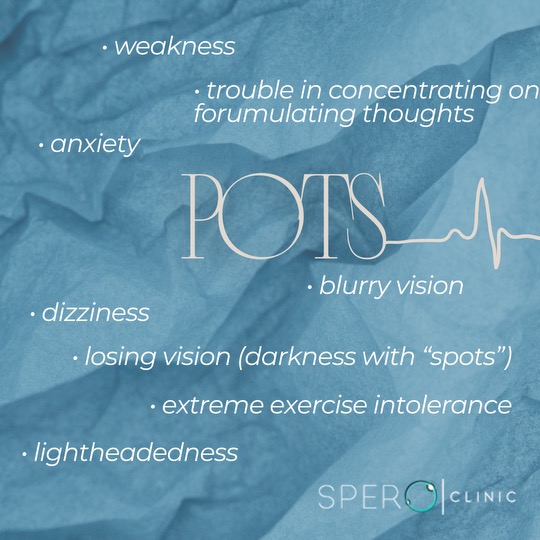
Elevated heart rate is the most recognizable sign of POTS. But, this syndrome still involves a wide range of symptoms that reflect systemic nervous system involvement. These may include:
- Lightheadedness or dizziness after standing
- Extreme fatigue that worsens with activity
- Difficulty concentrating, commonly described as “brain fog”
- Nausea or digestive discomfort
- Rapid heartbeat
- Temperature regulation issues (feeling unusually hot or cold)
- Exercise intolerance
- Headaches
- Vision changes, such as blurriness or tunnel vision
POTS symptoms often fluctuate throughout the day and make the condition unpredictable and difficult to manage without the proper guidance.
How POTS Affects Daily Life
The limitations POTS imposes can ripple into every area of life. Standing in line at a store, taking a shower, preparing meals, or walking through a crowded environment can quickly trigger symptoms of POTS. Many individuals find themselves avoiding activities they once enjoyed because their bodies no longer respond in reliable ways.
Emotional strain often accompanies these physical challenges. Feeling misunderstood or dismissed, particularly when symptoms are invisible, can lead to frustration, anxiety, or isolation.
Healthcare groups such as Henry Ford Health describe real-world experiences of individuals who struggle with everyday tasks due to blood flow instability. Insights from Harvard Health highlight the dizzying, life-altering nature of POTS symptoms and why proper evaluation is so important. These perspectives help illustrate the reality many patients face long before they receive an official diagnosis.
Holistic Treatment for POTS at The Spero Clinic
At The Spero Clinic, POTS treatment focuses on repairing the underlying autonomic imbalance rather than masking symptoms. Because POTS is closely tied to the central and autonomic nervous systems, the clinic uses non-invasive therapeutic methods that target communication pathways between the brain and body.
Treatments aim to:
- Improve autonomic stability
- Support healthier blood flow regulation
- Strengthen neurological communication
- Enhance resilience and energy production
- Reduce symptom frequency and severity
Patients benefit from an environment built on encouragement, understanding, and individualized care. Dr. Katinka’s philosophy emphasizes compassion, nervous-system-first healing, and deep respect for each patient’s journey. This is an approach especially meaningful for those who have spent years seeking answers.
A Path Toward Stability
Living with POTS can feel overwhelming, but understanding the condition is an empowering first step. With proper support and therapies that focus on restoring autonomic balance, patients can begin reclaiming stability in their daily lives. A comprehensive overview of treatment options is available directly through The Spero Clinic, where long-term healing is supported with a deeply compassionate approach.
Recent Posts
- Living with POTS: Holistic Pain Management Tips to Consider
- The Importance of Making Health a Priority While Battling Long COVID
- Breaking Down Fatigue, Cognitive Impairment, and the Other Realities of Life With Long COVID
- How The Spero Clinic Handles Dysautonomia
- Understanding POTS: Why Heart Rates Surge While Standing