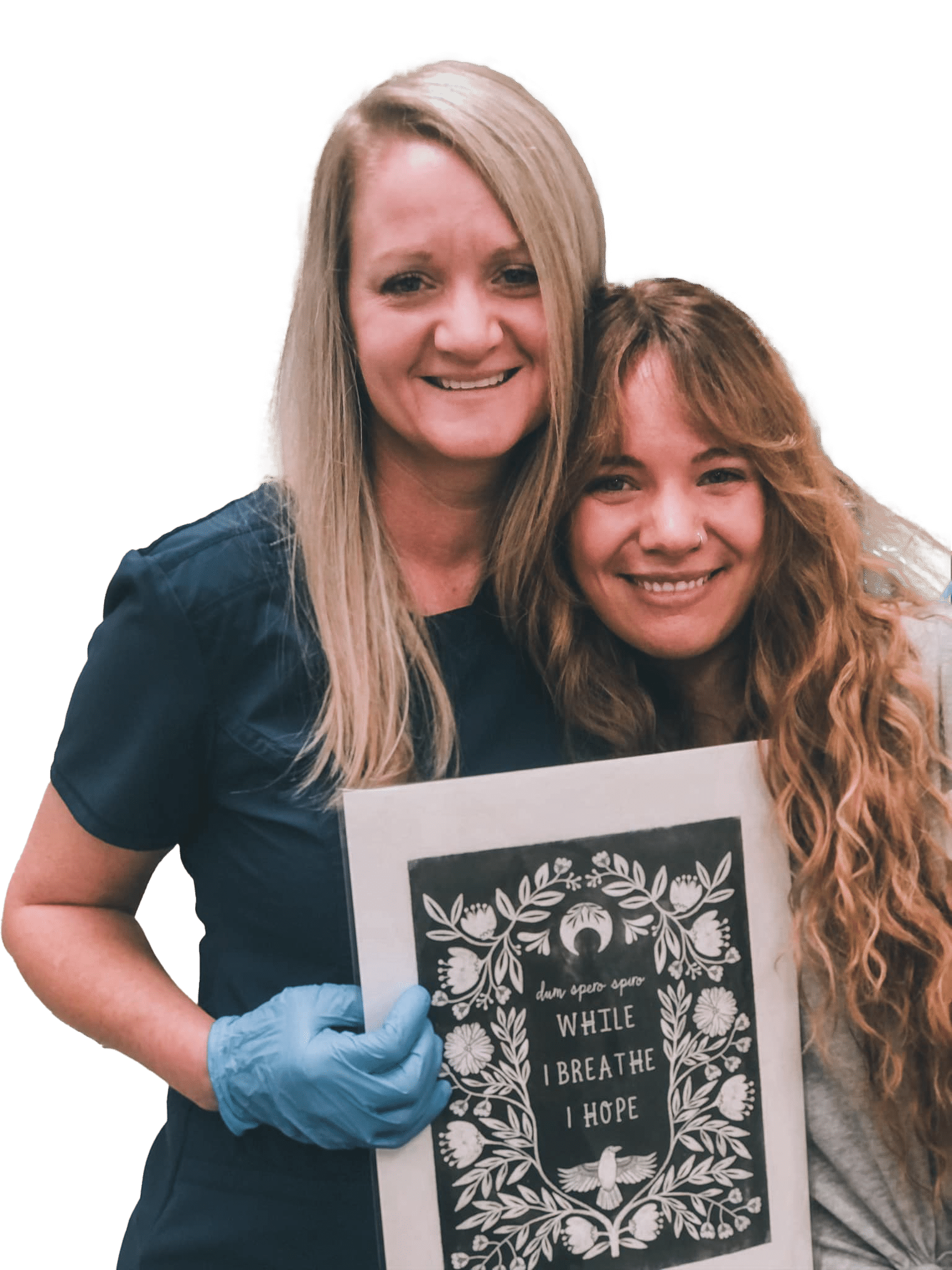
Author: Dr. Katinka van der Merwe, D.C., Ph.D. Lead Clinician, The Spero Clinic, Fayetteville, Arkansas
This case study details the prolonged and complex illness of an adolescent male following a mild SARS-CoV-2 infection. Initially presenting with mild respiratory symptoms, the patient developed a severe multisystemic illness characterized by chronic pain, neurological dysfunction, and profound psychological trauma. The case highlights the significant challenges of diagnosis and effective management within the conventional medical system. It documents a series of misdiagnoses, failed treatments, and iatrogenic harm from a hospital-based rehabilitation program, which led to the patient becoming completely bedridden and dependent on a feeding tube. The study concludes by describing a successful, non-pharmacological, inpatient treatment regimen at a specialized clinic, which led to a complete remission of symptoms and a full return to function. This case underscores the need for a re-evaluation of current Long COVID diagnostic and treatment protocols, particularly for pediatric patients, and advocates for a holistic, patient-centered approach to care.
Keywords: Long COVID, Post-COVID-19 Syndrome, Complex Regional Pain Syndrome (CRPS), Functional Neurological Disorder (FND), Pediatric Long COVID, Post-viral Syndrome, The Spero Clinic.
The long-term sequelae of COVID-19, known as Long COVID or Post-COVID-19 Syndrome, represent a growing public health challenge. While much of the research has focused on adult populations, a significant number of pediatric cases have also been documented. This case study presents the detailed clinical progression of a previously healthy 11-year-old male who developed severe, debilitating Long COVID symptoms. The patient’s journey illustrates the diagnostic ambiguities and treatment failures that can occur within the standard healthcare system, often compounding patient suffering. The subsequent recovery, achieved through a unique, intensive rehabilitation program, offers a novel perspective on potential therapeutic pathways for this complex condition.
The patient, D.S., was an active 11-year-old with no significant medical history, other than seasonal allergies. In January 2022, he experienced a mild, two-week course of COVID-19. Four days after his 12th birthday, in February 2022, he developed a severe post-viral syndrome. Initial symptoms included a persistent cough and congestion, which were frequently misdiagnosed as sinus infections or walking pneumonia. Over the next six months, the patient’s condition worsened, leading to severe nerve pain that rendered him unable to walk.
Despite consultations with numerous specialists (infectious disease, cardiology, pulmonology) and multiple hospital visits, no definitive diagnosis was reached. A specialized Long COVID clinic provided a formal diagnosis but offered a limited therapeutic plan of Gabapentin and at-home physical therapy. The clinic’s recommendation for an isolated, inpatient program was declined by the family.
In August 2022, the patient was admitted to a rehabilitation hospital. Within 24 hours, he lost control of all bodily movements. A functional neurological disorder (FND) was diagnosed, leading to the treatment of his physical symptoms as behavioral. The patient was denied a feeding tube for two weeks, even after losing the ability to swallow, resulting in significant nutritional and emotional distress. After four weeks, the patient was discharged in a bedridden state, unable to move, speak, or swallow. He subsequently developed non-epileptic seizures, a consequence of the immense pain and trauma he endured.
For the next 18 months, the patient was confined to his home and, for the latter part of this period, to his bedroom. He became dependent on a feeding tube and was plagued by extreme pain, migraines, violent rages, and an inability to feel the urge to urinate. The psychological toll was severe, manifesting as significant anxiety, depression, and post-traumatic stress disorder (PTSD), leading to social isolation.
In March 2024, the family was referred to The Spero Clinic in Fayetteville, Arkansas, a facility that specializes in neurological rehabilitation for complex chronic pain conditions. Acknowledging that the treatment was not covered by insurance, the family undertook a significant financial and logistical effort, traveling via an RV to accommodate the patient’s condition.
The treatment protocol at The Spero Clinic utilized a non-pharmacological, holistic approach focused on Dysautonomia and CRPS symptoms. It included a combination of therapies such as Nerve Re-Education Therapy (NMR), neuro-rehabilitation, and light therapy. Within the first six weeks, the patient showed significant psychological improvements, including the ability to communicate with staff and reconnect with friends.
The physical breakthroughs were dramatic. At week seven, the patient swallowed for the first time in two years. Two months into treatment, he stood up and walked for the first time in over two years. On September 9, 2024, after 10 weeks of treatment, the patient reported a complete and sudden cessation of pain, achieving a zero pain state. He subsequently reached all of his physical rehabilitation goals, including walking without a limp, running, and jumping. He graduated from the program pain-free and fully mobile after 15 weeks.
The patient’s journey from a severe, multi-systemic Long COVID case to complete recovery provides a compelling example of a successful therapeutic intervention for a condition that has largely resisted conventional medical treatment. The failure of established clinical protocols to diagnose or effectively manage the patient’s symptoms highlights the critical need for increased awareness of Long COVID’s complex neurological and pain manifestations, especially in the pediatric population.
The patient’s full recovery without the use of high-dose pharmaceuticals suggests that a targeted, holistic approach focusing on neurological re-education and nervous system regulation may offer a viable treatment path where traditional methods fail. While this single case study cannot draw broad conclusions, it offers a powerful narrative and valuable data for future research into Long COVID and similar post-viral syndromes. It underscores the importance of a patient-centered model that validates the patient’s experience and addresses the root causes of neurological and pain dysfunction.
Smith, S. (2024). Patient Account: Dylan’s Long Covid Journey. Personal Communication.
The Spero Clinic. (2024). How the Spero Clinic Helped Dylan Regain Hope With Long Covid. [Online Blog].
The Spero Clinic. (2024). The Star: Long COVID derails boy’s life for three years. [News Article Reproduction].
Smith, M. (2024). Help Young Dylan Receive Life-Changing Treatment. [GoFundMe Campaign].

Start your patient journey with the Spero Clinic's neurologic rehabilitation program.