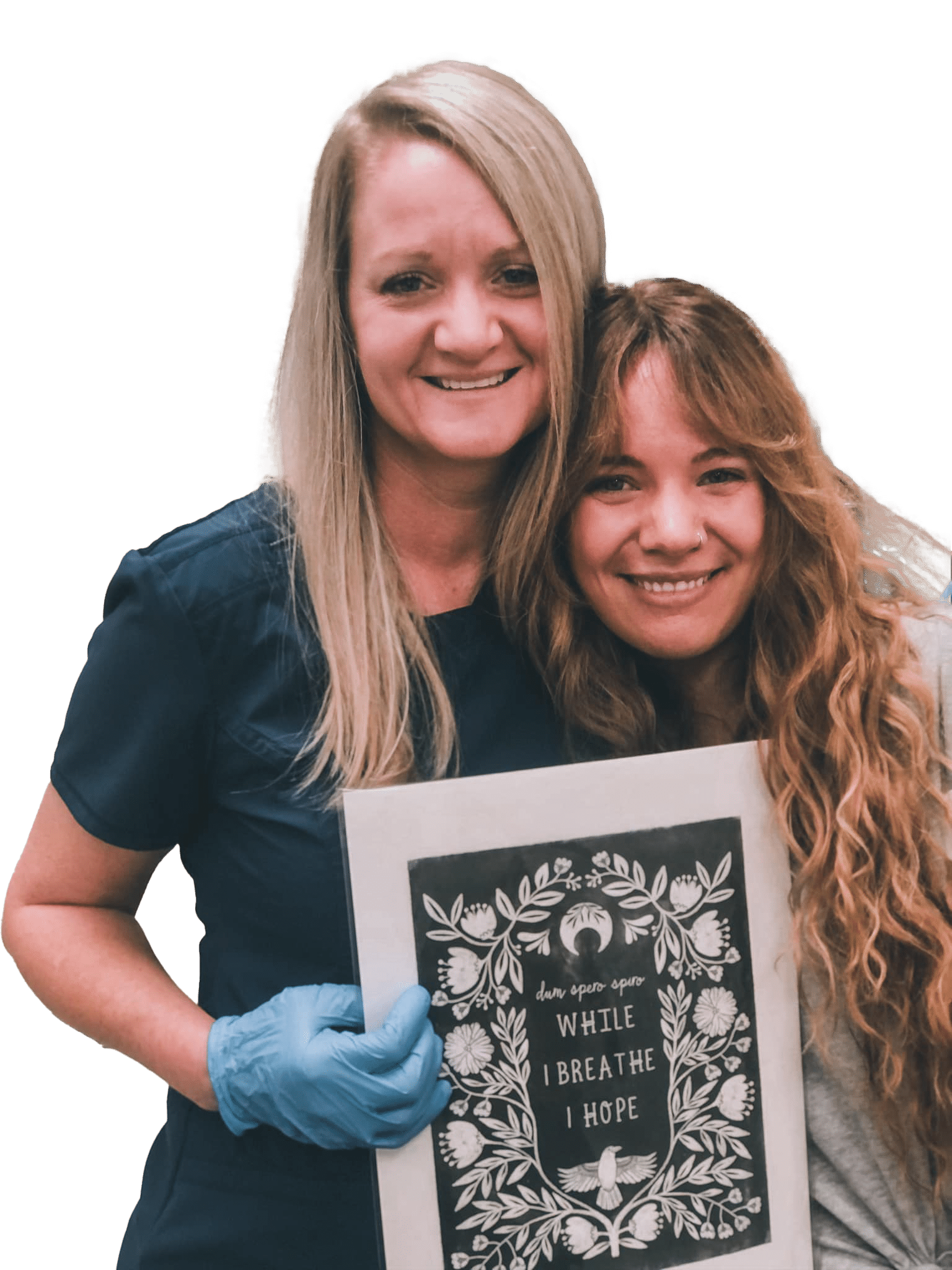

Complex regional pain syndrome (CRPS) can begin after a technically successful surgery because the nervous system reacts to the trauma of the procedure itself, not because anything was done wrong. How often this happens varies by surgery type. Progress after diagnosis is possible, and healing follows its own pace for every patient. Hope is still within your reach. (source: sciencedirect.com)
If you’ve spent years managing CRPS already, worn down by specialists who didn’t take the pain seriously, and a recent surgery has now added a new layer of pain on top of the old one, this can feel like one more system failing you. That reaction makes sense.
If this is the first time a surgery has triggered CRPS for you, and you’re newly diagnosed and frightened, the short version is this: it happens, it is documented, and it does not mean anyone made a mistake in the operating room.
Either way, you are likely carrying two things at once: the pain itself, and the question of whether someone is at fault. Both deserve a straight answer. Healing here takes time, and progress looks different for every patient. That is the frame worth holding onto as you read the rest of this page.
Why does CRPS start after a successful surgery?
Complex regional pain syndrome has two recognized types, and knowing which one applies helps make sense of the timeline. According to ScienceDirect’s overview of regional pain syndrome, type 1 most commonly occurs postoperatively or after a forceful trauma, while type 2, formerly called causalgia, follows a specific nerve injury.
Surgery is a physical trauma, even when it succeeds exactly as planned. The nervous system has to process that trauma the same way it processes any injury. In most patients, the pain signal turns off once healing is underway. In CRPS, it does not. This is a nervous system response, not a surgical failure. A surgeon can perform a procedure correctly, and a patient can still develop CRPS afterward, because the surgical outcome and the nervous system’s reaction to it are two different things.
How common is CRPS after surgery?
CRPS after surgery is not the typical outcome, but it is also not vanishingly rare. Exact rates differ by procedure, and reported numbers vary enough across studies that no single, verified "how likely is this" figure exists for surgery in general. What is better documented is the direction of the trend for at least one well-studied procedure. A retrospective multicenter study out of the Netherlands found that CRPS following distal radius fracture surgery occurred in 0.36 percent of cases across the study period, and that hospital-recorded cases fell from 520 in 2014 to 223 in 2018.
That is one procedure, tracked closely, in one country. It is offered here as a real example of a rate that has been measured, not as a stand-in for every surgery.
Other procedures carry their own reported ranges. A review of CRPS prevention after surgery cites estimates of 2.3 to 4 percent after arthroscopic knee surgery, 2.1 to 5 percent after carpal tunnel surgery, up to 13.6 percent after ankle surgery, 0.8 to 13 percent after total knee arthroplasty, 7 to 37 percent for wrist fractures, and 4.5 to 40 percent after fasciectomy for Dupuytren contracture. The same review notes that a 140-case Mayo Clinic review found 16.4 percent of CRPS cases followed surgery, most often an orthopedic procedure. The range is wide because diagnostic criteria and follow-up methods differ across studies, not because CRPS itself is inconsistent.
What raises the risk?
Not every patient having the same surgery carries the same risk. A multivariate analysis of 191 patients who had distal radius fracture surgery found several factors that significantly affected CRPS incidence, grouped below.
| Risk factor group | Specific factors measured |
|---|---|
| Patient factors | Age, gender, occupation |
| Injury and surgery factors | Fracture type, surgical method, osteoporosis |
| Pain and psychological factors | Pain score (VAS), functional disability score (DASH), anxiety score (GAD-7), depression score (PHQ-9) |
| Rehabilitation factors | Physical therapy, occupational therapy |
A few things are worth pulling out of that table. Pain and disability scores measured before CRPS was diagnosed were predictive, not just symptoms noticed after the fact. Anxiety and depression scores were associated with higher CRPS rates too. That is a correlation between the nervous system’s baseline stress load and its later reaction to surgery, not evidence that the pain is imagined. Whether the patient received structured physical or occupational therapy after surgery mattered as well.
None of this explains why your CRPS happened specifically. It shows that the condition has known risk factors, and that carrying several of them is not the same as having done something wrong.
Is this happening because something went wrong?
This is usually the real question sitting underneath "why did this happen to me." The honest answer: CRPS developing after a technically successful surgery is a known, studied complication of surgery in general. It is not evidence of a botched procedure. According to a review in the Journal of Turkish Spinal Surgery, symptoms tend to begin during the first month following trauma or immobilization of the limb, and physical problems can continue to develop for roughly two years after onset. That timeline belongs to the nervous system’s own course. It does not belong to a mistake made in the operating room.
That does not make the pain less real. It does not mean nothing can be done, either. It means the target for treatment is the nervous system’s regulation of pain, not a second surgery meant to "fix" the first one.
What does progress look like after post-surgical CRPS?
Progress with CRPS is rarely a straight line, and it looks different for every patient. What research consistently shows is that the course runs long. Symptoms often begin within weeks of the trauma, and, as noted above, physical changes can keep developing for roughly two years afterward. Exact figures on how many patients return to full function at any given point are not settled, and it is better to say that plainly than print a number that cannot be verified.
Those unknowns describe a condition that often needs sustained, individualized support rather than a quick fix. Dr. Katinka van der Merwe, founder of The Spero Clinic, has said the body is intelligent and capable of change when the nervous system receives the right support and enough time. The Spero Clinic works with the whole person, in an individualized, in-person program built around restoring balance and function across the central and autonomic nervous system. No specific outcome is promised, and outcomes vary by patient.
What can be said honestly is this: healing after post-surgical CRPS is a process the nervous system goes through, and that process has a pace of its own. Comparing your week 6 to someone else’s week 6 rarely tells you anything useful.
Common mistakes
A few patterns show up again and again in post-surgical CRPS, and none of them are personal failures.
Waiting it out costs time. Early attention to the nervous system’s response tends to help, and it is easy to lose weeks hoping the pain will settle on its own, especially once the surgical team’s focus has already moved on to a technically successful outcome.
Blame often runs in the wrong direction. It is a natural leap from "my new pain doesn’t match what I was told to expect" to "someone did this to me." I want to be very honest with you: you are not crazy. These symptoms are real, and they make sense when we look at the nervous system. As covered above, CRPS is a recognized nervous system reaction to the trauma of surgery, not proof the procedure was done wrong.
Avoiding the limb entirely feels protective, but it usually is not. Physical and occupational therapy were both associated with better outcomes in the research above. Graded, guided movement tends to help more than none at all.
Pain score is not the only measure that matters. Function, sleep, mood, and the ability to do daily tasks can all move at different rates than pain does, and sometimes they improve before pain itself does.
A plateau at eight or twelve weeks feels like the end of the story. It rarely is. Progress with CRPS is frequently uneven rather than continuous.
FAQ
Does tramadol help CRPS? Specific evidence on tramadol for CRPS was not found in the research reviewed for this piece. Medication is typically one part of a broader plan that also addresses nervous system regulation, movement, and function, not a stand-alone fix.
Is CRPS a neurological disorder? CRPS involves the nervous system’s processing of pain signals rather than a single injured nerve or muscle. It is generally treated as a nervous system condition, which is why nervous-system-focused approaches, not just pain medication, are part of most treatment discussions.
Can CRPS progress? CRPS can change over time and, in some patients, spread beyond the original site. Read Does CRPS Spread? for a full look at how and why that happens.
Does stress or anxiety cause CRPS? No. Anxiety and depression scores have been associated with CRPS risk and severity in research, but a correlation with stress or mood is not evidence that the pain is imagined. CRPS is a documented nervous system condition with measurable physical signs.
One concrete next step
If you developed CRPS after a surgery and are trying to work out what happened and what happens now, start with the timeline. Write down the surgery date, when the new pain started, and what has changed since. That timeline is useful information for any clinician evaluating your case.
Hope is still within your reach here, even after a surgery that didn’t go the way anyone expected. Progress with post-surgical CRPS is possible, and it does not require pretending the pain isn’t real to get there. If you want to talk through what that looks like for you specifically, schedule a free discovery call with The Spero Clinic.
Related reading: How The Spero Clinic Treats CRPS, What Does CRPS Remission Look Like?, and CRPS Triggers and What Could Have Started It.